
Lalor / Basketball / Muscle Joint Bone
Basketball injury physio for Lalor players
Support the player behind the jersey.
For a junior basketballer, an injury can affect school, friendships, confidence and the sport they enjoy. Our assessment makes room for the young player's experience as well as the physical concern.
26 Childs Road, Epping VIC 3076 · (03) 9088 8228
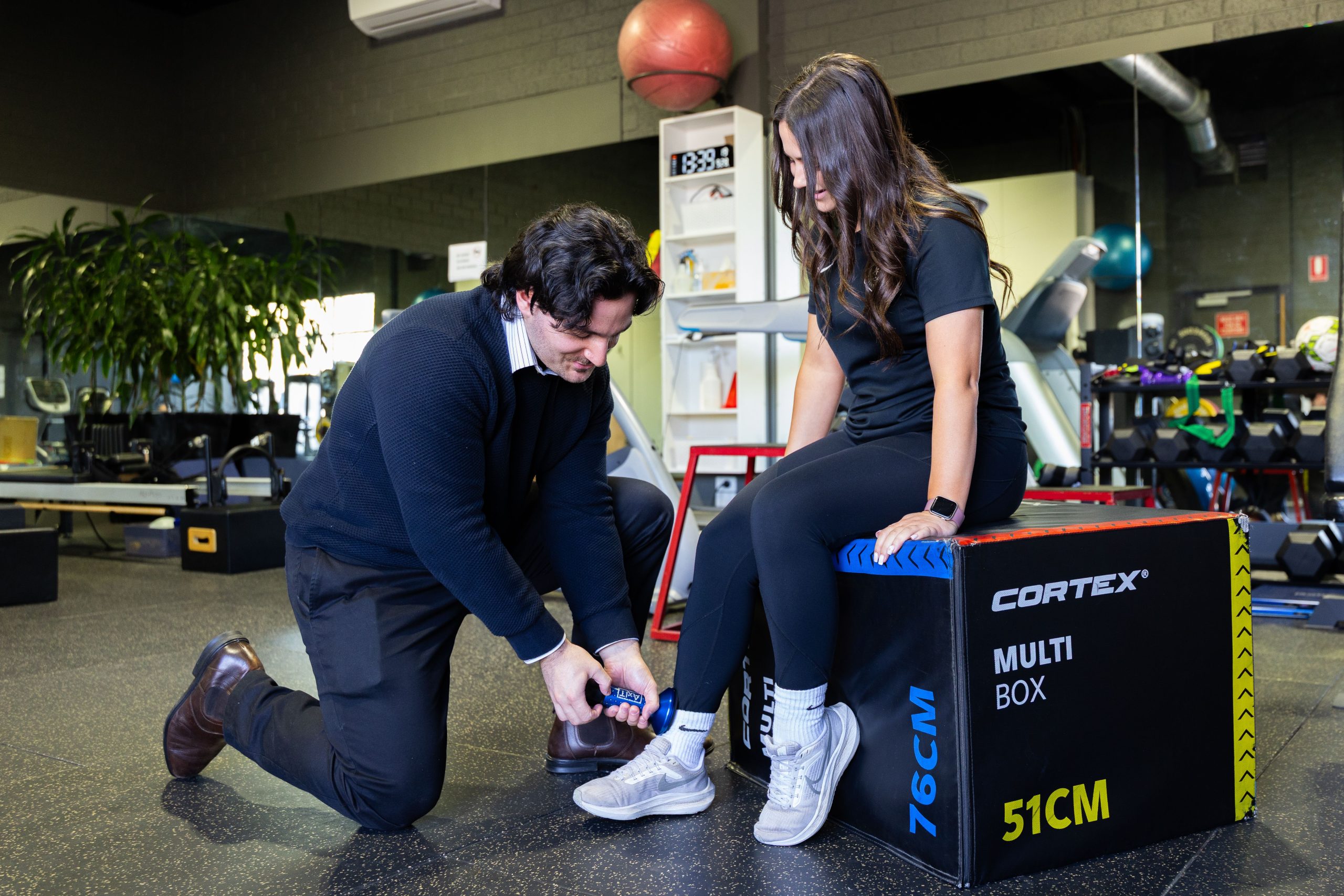
Lalor families can visit Muscle Joint Bone Epping for basketball injury assessment and rehabilitation advice. We discuss what the player notices on court, what parents have observed and how training fits around other commitments. Adults and social players are also welcome; the plan is tailored to the person attending.
Supporting VJBL athletes and senior teams
Our basketball work includes Craigieburn Eagles and Coburg Giants VJBL athletes, as well as the clubs' Division 1 VBL teams. That connection makes the differences between developing players and senior competitors relevant to our everyday work. We welcome junior basketballers from any club, including players entering representative pathways.

Understand your injury
Basketball injuries and pain concerns in younger players
Ankle sprains and hand injuries are familiar basketball problems. Growing athletes can also develop knee or heel symptoms. A more serious injury such as an ACL tear needs its own clinical pathway rather than a general junior exercise programme.
Ankle sprains after an awkward landing
A player may be eager to return as soon as the ankle looks less swollen. Assessment can explore what is still difficult and discuss the steps towards basketball activity. Parents can help describe any limping or avoidance they have noticed.
Pain at the front of the growing knee
Osgood-Schlatter disease is one possible explanation for pain around the bump below the knee, but it is not the only cause of a young player's symptoms. Clinical assessment guides the discussion about sport and management.
Patellar tendon and kneecap pain
Pain linked to jumping can occur in different structures around the knee. We ask the player to describe when it happens and how it affects participation, then assess the likely contributors rather than applying an adult programme by default.
Heel pain and possible Sever's disease
Active children may develop heel pain associated with growth, sometimes described as Sever's disease. Limping or difficulty keeping up should prompt assessment. A diagnosis is needed before assuming that every sore heel has the same explanation.
Jammed fingers and thumb injuries
Ball contact may leave a finger swollen or difficult to use. A player unable to straighten a finger, or with an obvious deformity, needs prompt assessment. Some hand injuries need medical or hand therapy care beyond routine sports rehabilitation.
Knee ligament injuries including ACL injury
A twist with swelling or a sense that the knee gives way should be reviewed. Age and growth can affect management choices, so suspected significant knee injuries require an individual medical and rehabilitation pathway.
Back pain and persistent lower-limb pain
Repeated complaints, altered movement or pain that affects ordinary activity deserve attention. Tell the clinician about school sport and other teams as well as basketball. Persistent symptoms should not be dismissed as a lack of effort.
Help parents and coaches work from the same plan
Different adults may see different parts of the player's week. Bring the club schedule and school commitments to the appointment. With consent, advice can be shared so expectations about participation and restrictions are clear. The athlete should understand the plan too, using language appropriate to their age.
Respect the stage of development
Young players vary in physical development, confidence and experience. Rehabilitation considers the individual child's needs rather than comparing them with teammates. Discuss concerns about movement, pain or participation directly, so the appointment can address what is happening rather than assumptions about maturity.
Your questions
Before you book
Can you see a child who plays VJBL and domestic basketball?
Yes. Bring both schedules and include school sport or extra practice. This helps the clinician understand the demands surrounding the injury and discuss realistic activity adjustments.
Is knee pain during a growth spurt always Osgood-Schlatter disease?
No. Several conditions can cause pain in a young athlete. The location, history and examination findings help determine the likely cause and whether further assessment is needed.
Can the coach receive the rehabilitation advice?
Relevant information can be shared with appropriate consent. Discuss what would be useful, who should receive it and how the player and family would like the communication handled.
Give your young player a voice in their recovery
Book basketball physiotherapy at MJB, 26 Childs Road, Epping. Bring the player, their questions and a picture of their weekly commitments.
Sources and further reading
Sports Medicine Australia injury resourcesBasketball injury informationOsgood-Schlatter diseaseSever’s disease
General information supports a conversation with your clinician. Assessment and care depend on individual circumstances.